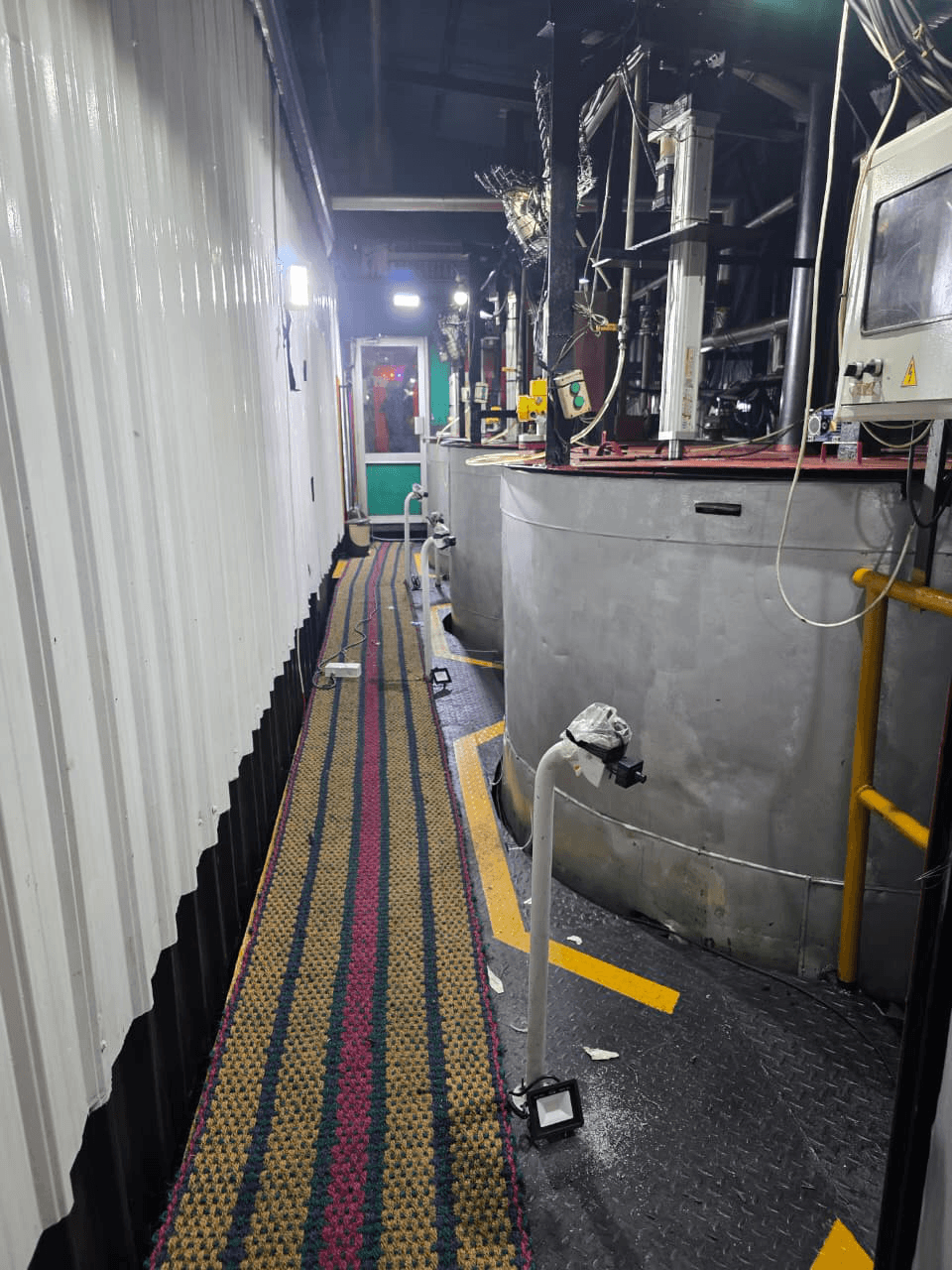
Vision-Based Oil Separation Layer Detection System
Palm Oil Processing Facility, Sri Lanka. A completely passive vision intelligence solution deployed into existing SCADA to automate oil extraction where conventional sensors failed.
The Challenge
An Automation Barrier No Sensor Could Solve
Eight settling tanks each required a qualified technician to manually verify the oil-sludge separation layer before triggering extraction — a repetitive, labor-intensive, and operationally critical process.
Temperatures exceeding 120°C, heavy steam, and unpredictable sludge behavior made every conventional sensor attempt fail. Automation was stalled indefinitely.
A central SCADA system was already in place — but without a reliable separation layer reading, it could not control the extraction process automatically.
The W4Labs Solution
Passive Vision Intelligence Into Existing SCADA
01Passive Detection by Design
Custom-mounted cameras observe each tank externally — eliminating direct exposure to heat and steam entirely.
02Purpose Built ML Model
A trained machine learning model processes the live feed, detecting the oil-sludge interface and calculating separation layer height in real time.
03Seamless SCADA Integration
Readings transmitted to the existing Allen-Bradley SCADA via Modbus over RJ45/IP — no new control infrastructure required.
System Deployment Gallery
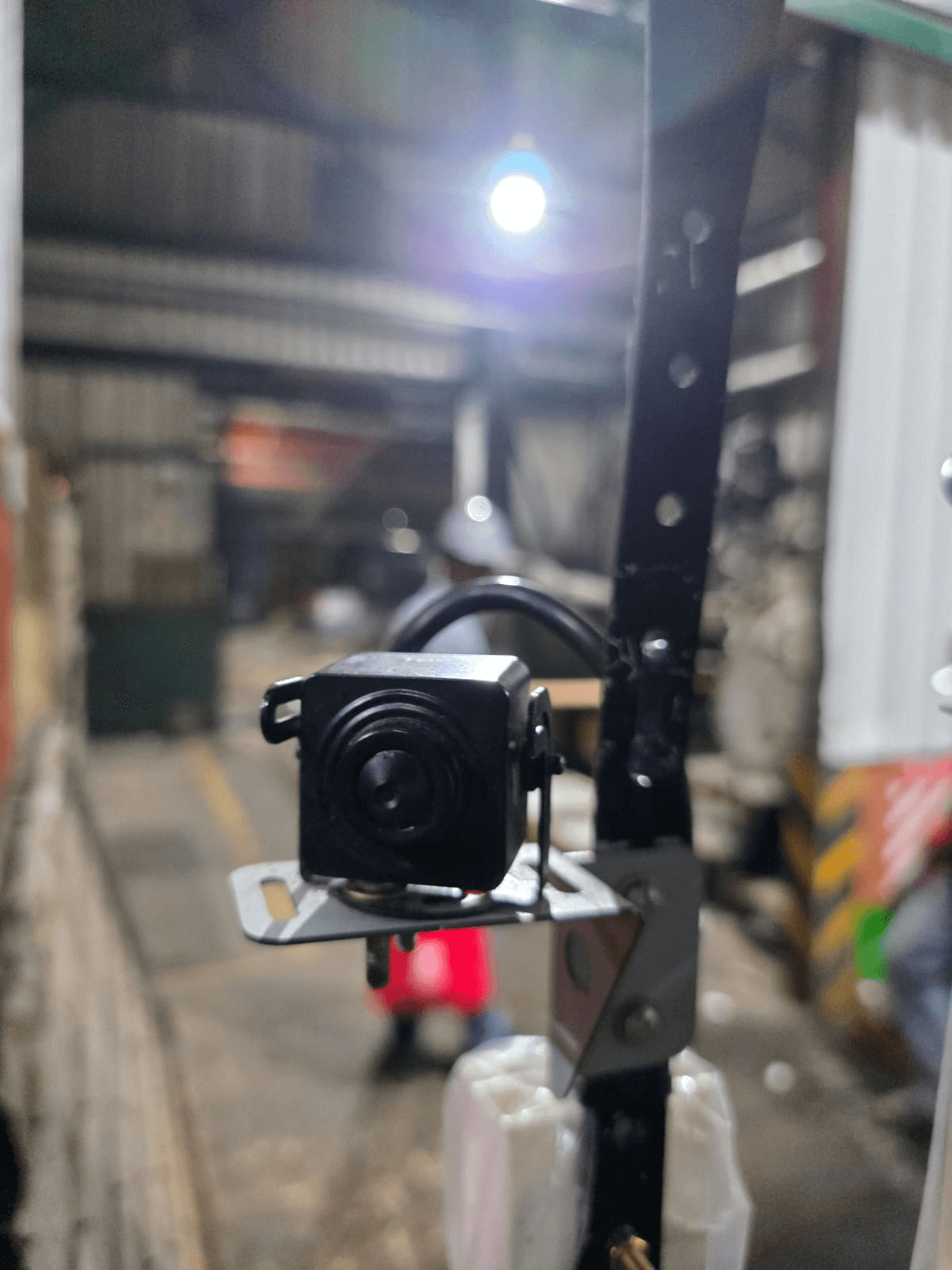
Custom Camera Mount
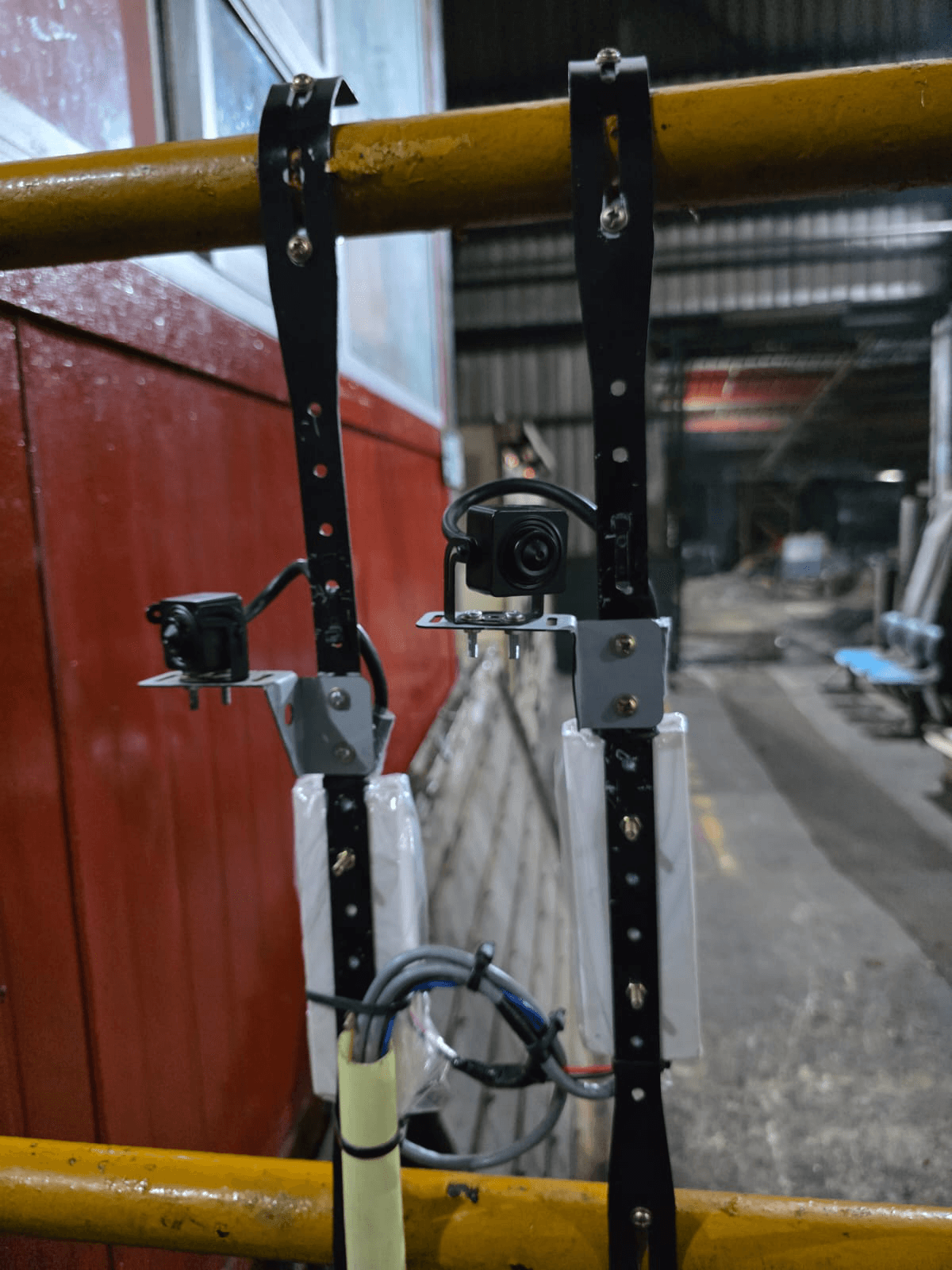
Dual-Camera Array
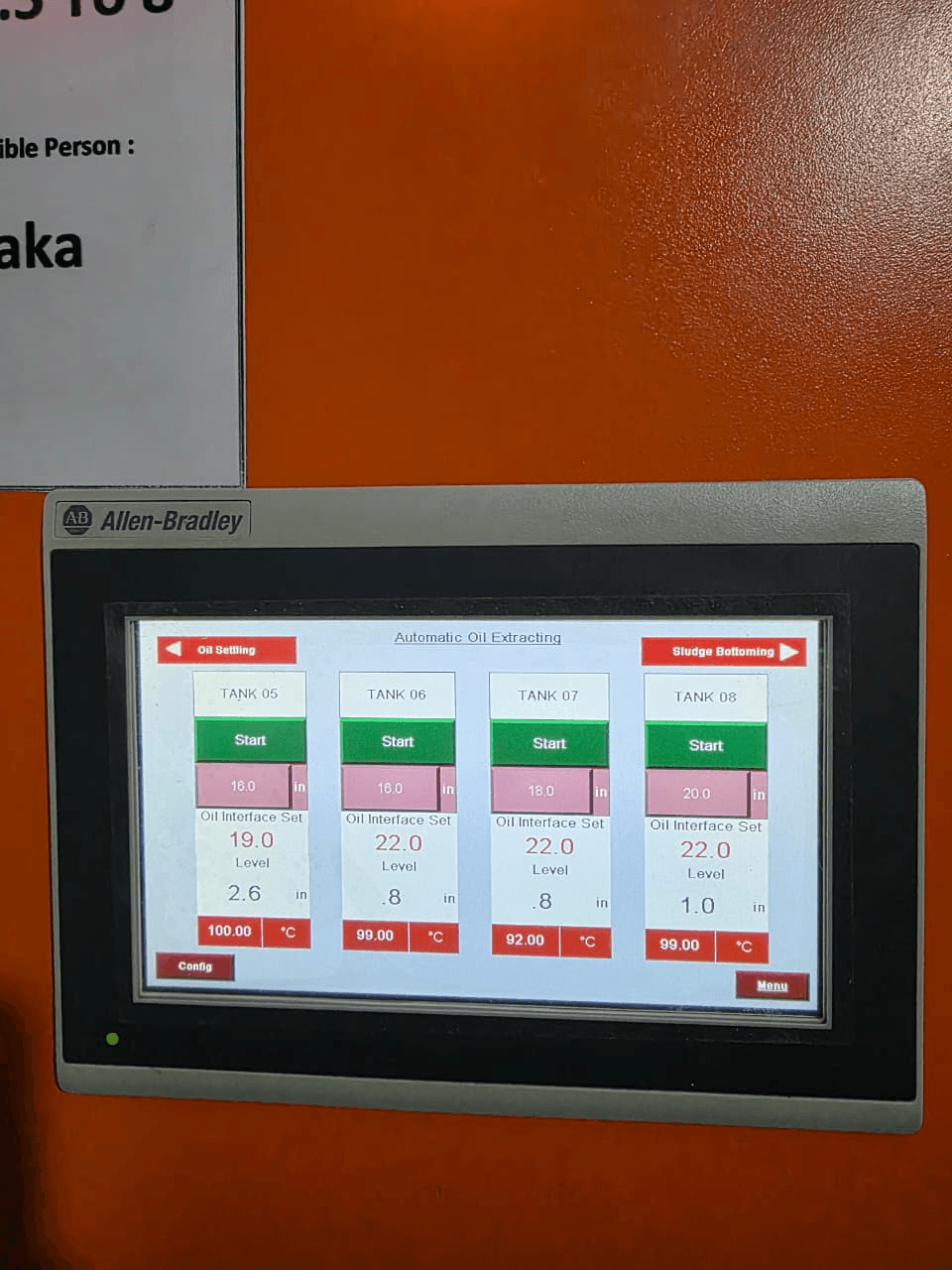
Allen-Bradley HMI — Live Readings
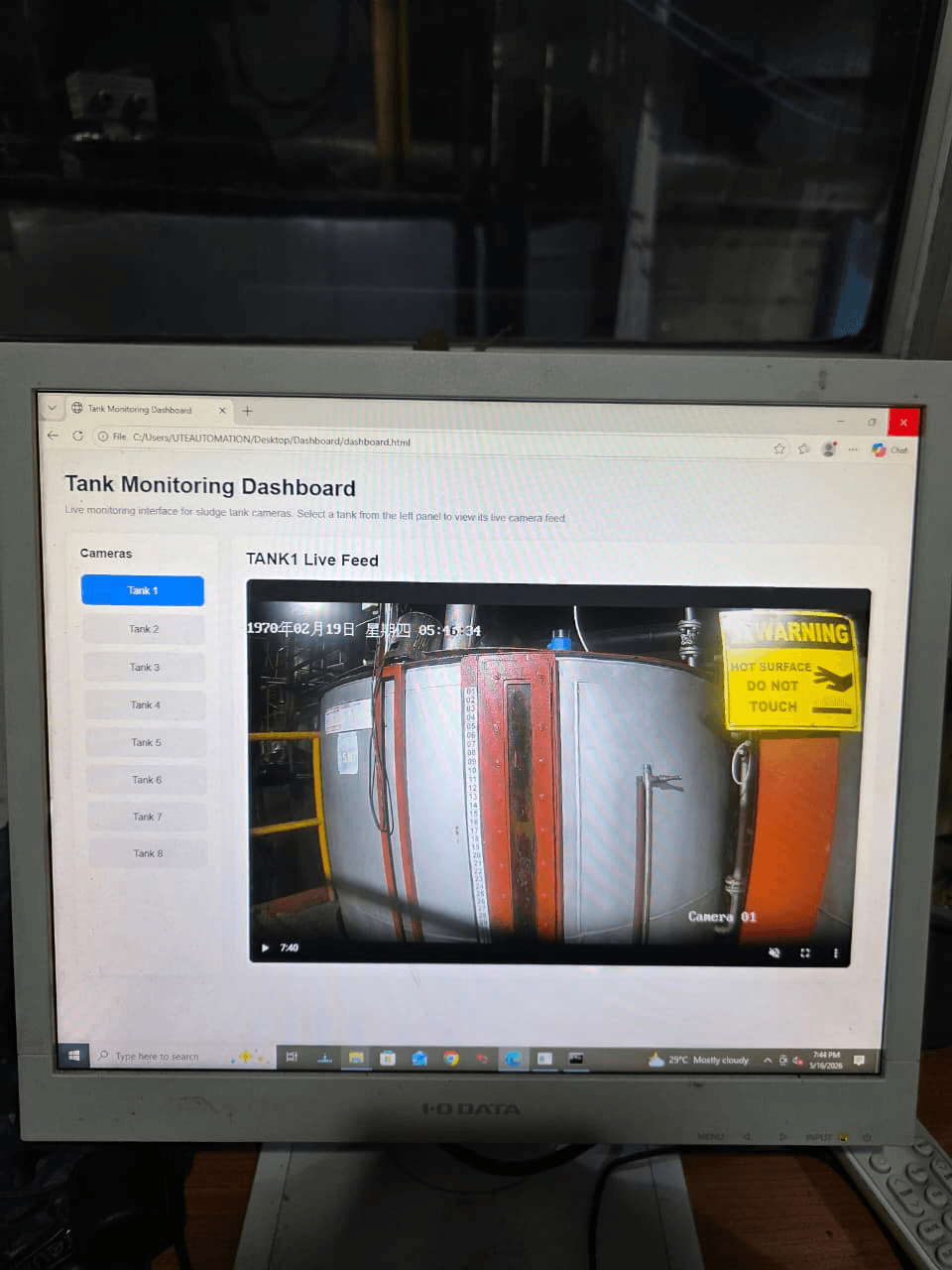
Real Time Tank Dashboard
The Impact
8 Tanks
Covered under one system
Zero
Sensor exposure to harsh conditions
Real time
Layer readings fed to SCADA
Eliminated
Manual verification every cycle
Project Overview
Industry
Agri-Processing
Scale
8 Settling Tanks